
Autonomy can reduce workload and keep systems working when links fail. It does not remove the need for human judgment and responsibility.
By Skyrivet2 min read
Autonomy is one of the most discussed topics in defense technology, and one of the most misunderstood. It is often pictured as a machine acting entirely on its own. In practice, autonomy is a range, and most of its value comes from helping people rather than replacing them.
A range, not a switch
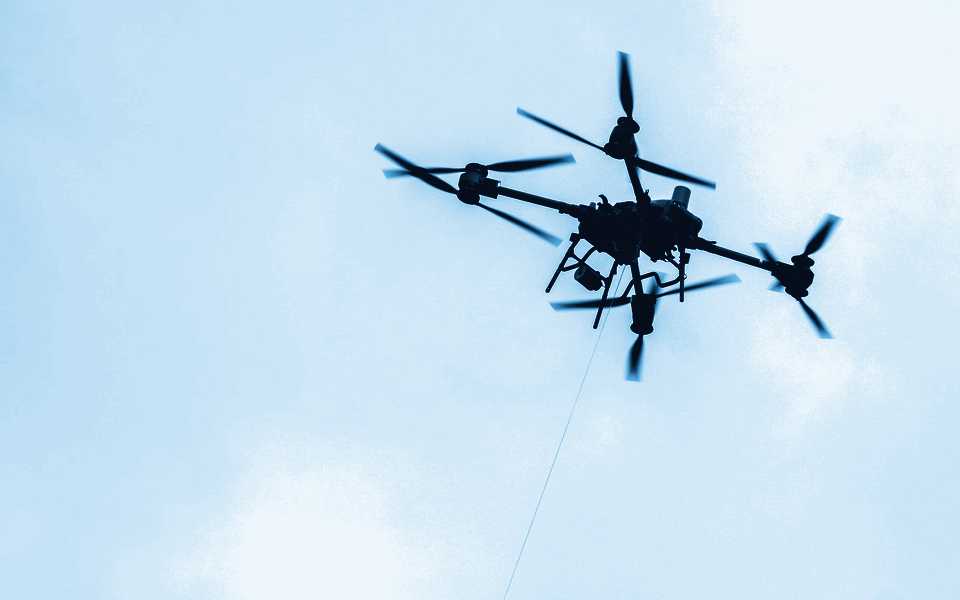
At one end, a system follows a planned route or holds a position without constant input. Further along, it can detect obstacles, adapt its path or recognize objects of interest and bring them to an operator’s attention. Each step can take work off the operator’s hands, while the decisions that matter stay with them.
Why autonomy is gaining ground
- Workload: one operator can supervise more than one system when routine tasks are automated.
- Degraded links: a system that can continue its task safely when communications are jammed or lost remains useful.
- Speed: some tasks, such as stabilizing a platform or avoiding a collision, happen faster than a person can react.
Humans in command
Responsibility for the use of force rests with people, and international humanitarian law applies to every weapon and every decision. Systems therefore need to be designed so that the right person can understand what the system is doing, set limits on what it may do and intervene when needed. Clear boundaries, predictable behavior and records of what the system did and why are as important as the autonomy itself.
Testing and trust
Autonomous behavior must be tested in the conditions where it will be used, including the difficult ones: poor visibility, cluttered environments and attempts to deceive it. Operators trust autonomy that behaves predictably and tells them when it is uncertain.
Autonomy software is one of Skyrivet’s four capability areas, developed to support operators, not to take their place.